Australians are being cautioned to prepare for widespread flight disruptions as Iran closes its airspace amid fears of possible US strikes.
With airlines rerouting or cancelling flights and Canberra urging citizens to reassess travel plans, the situation highlights how rapidly escalating tensions in the Middle East are spilling into global aviation and diplomacy.
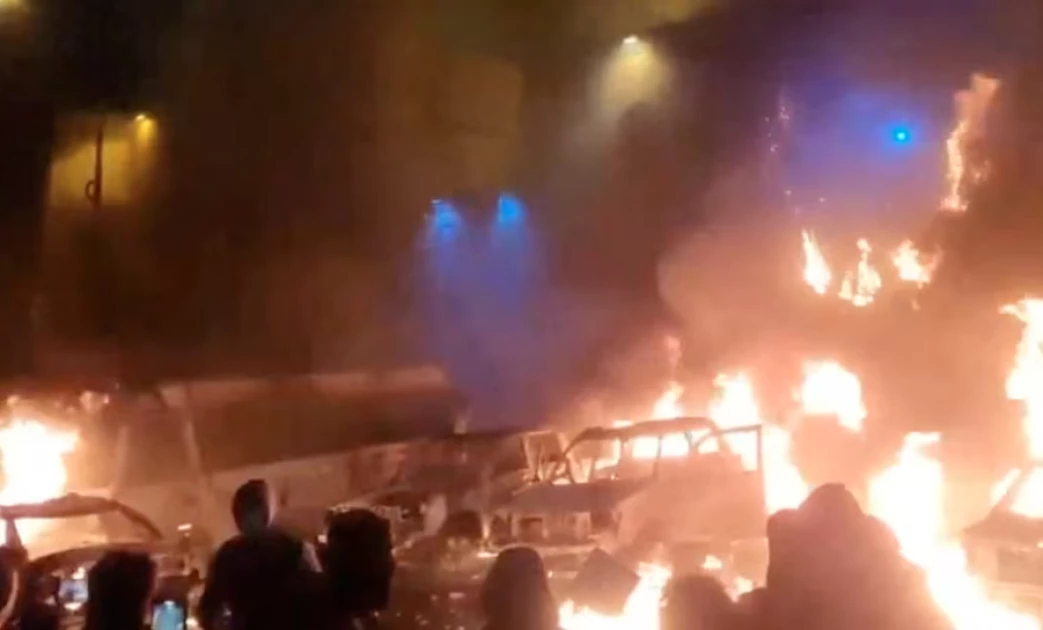
Iran abruptly shut its skies as tensions soared over its violent crackdown on nationwide protests and concerns about potential American retaliation.
Flight-tracking data showed Iranian airspace almost completely empty after the order took effect, underlining the scale and immediacy of the move.
The closure has already had a direct impact on international aviation. A Qantas flight travelling from Perth to Paris was forced to briefly turn back before rerouting over Saudi Arabia, illustrating how rapidly airlines are being required to adjust routes to avoid restricted airspace.
Australia’s Foreign Minister Penny Wong warned on Thursday that the situation could deteriorate quickly and with little notice.
“This may result in airspace closures, flight cancellations, and other travel disruptions,” adding, “I note there are already reports of this occurring online.”
The Department of Foreign Affairs and Trade (DFAT) updated its Smartraveller advice in response, cautioning Australians about heightened risks across the region.
The department warned of potential missile and drone threats from neighbouring states and urged Australians in Iran to leave immediately if it was safe to do so.
“The security situation in the Middle East is unpredictable,” DFAT said. “Conflicts could escalate quickly, leading to airspace closures, flight cancellations and other disruptions. Prioritise your safety, monitor events and follow local advice.”
Australians have also been advised not to travel to Iraq, Yemen, Syria or the occupied Palestinian territories, while being urged to reconsider travel to Lebanon and Israel.
The warnings reflect growing concern that tensions centred on Iran could spill over into multiple flashpoints across the region.
The unrest in Iran, driven by a deep economic crisis and demands for political change, represents the country’s most serious internal challenge in years.
It is unfolding under mounting global pressure following last year’s Israeli and US strikes, further complicating an already volatile geopolitical environment.
Tensions between Iran and the United States have deep roots, dating back to the 1979 Islamic Revolution and the seizure of the US embassy in Tehran, which severed diplomatic ties.
Relations worsened after Washington withdrew from the 2015 nuclear deal and reimposed sweeping sanctions, crippling Iran’s economy.
Recent protests in Iran were sparked by soaring inflation, currency collapse and unemployment, before widening into broader political dissent.
The unrest has drawn sharp international scrutiny, with US leaders condemning Iran’s violent crackdown on demonstrators. Tehran accuses Washington of interference, fuelling fears of escalation between the long-time adversaries.
Tehran is also seeking to deter repeated threats from US President Donald Trump to intervene in support of protesters, a stance that has further inflamed tensions.
Senator Wong said Australia stood firmly with the Iranian people, condemning what she described as “a brutal regime engaging in the oppression of its citizens.”
“Our government has taken stronger action against Iran than any previous Australian government,” she said, pointing to expanded sanctions, the expulsion of Iran’s ambassador and the listing of the Iranian Revolutionary Guard Corps.
Airlines are already responding to the deteriorating security outlook. Lufthansa announced it would avoid Iranian and Iraqi airspace until further notice, while Air India said some flights were being rerouted or cancelled, warning passengers to expect delays.
In Washington, President Trump appeared to soften his tone during an Oval Office press conference on Wednesday, suggesting that more cautious voices within his administration may have gained influence.
“We’ve been told that the killing in Iran is stopping,” he said, though he stressed that the situation was being watched closely and that military action remained a possibility.
The crackdown in Iran has been deadly. According to the US-based Human Rights Activists News Agency, at least 2,586 protesters have been killed.
As diplomatic tensions rise and commercial aviation is forced to adapt in real time, Australians are being urged to remain vigilant, stay informed and prepare for further disruption as events continue to unfold.































Comments
Sign in with Google to comment, reply, and like comments.
Continue with Google